
Because this was the school I was interviewed about, let’s take a look at how Haugan Elementary school has fared in terms of space utilization under this new Space Utilization formula. I’ll let the Chicago Tribune provide the story of Haugan Elementary currently and I will just add that Haugan is a school with the following demographics.
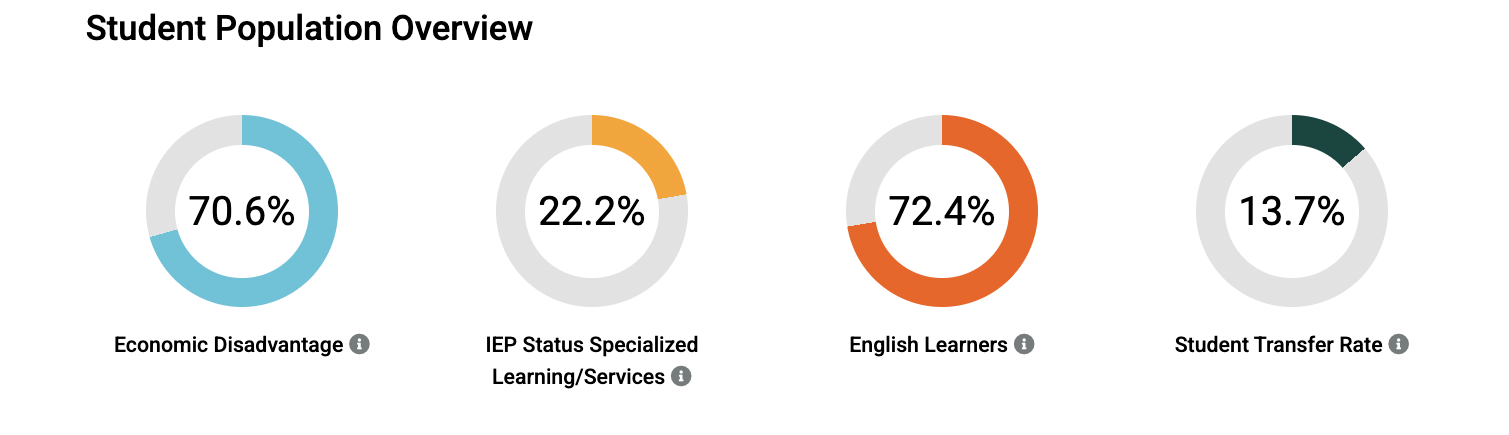
You’ll notice that the percentage of IEP students receiving specialized learning and services is 22.2% of all school students. And that 72.4% of the students in the school are classified as “English Language Learners”. This statistic, along with the Student Transfer (previously known as “Student Mobility”) rate of 13.7% leads me to wonder if this school is serving a population that enjoys less stability and predictability than students who are not low-income or recent arrivals to the community because of issues with housing, location of employment and support.
Haugan Elementary is also a Neighborhood School, which is a very particular type of school in the CPS school portfolio. Unlike schools which can control their admissions per grade and/or performance of student (such as Selective Enrollment, Charter, Magnet or Special Education schools) and cap enrollment when a classroom is “full”, Neighborhood Schools are the workhorse schools of the District. They take the students in their neighborhood who show up…all year round…and do not have restrictions on timing for admissions or the ability to turn away a student because a certain grade or classroom is at the maximum limit.
If this means that the school planned for two first-grade classrooms of 28 students each (56 total), but 72 first-graders show up to the school that year? The staff has to figure out how to accommodate those students. Either by creating two classrooms of 36 students each, or three classrooms of 24 students each.
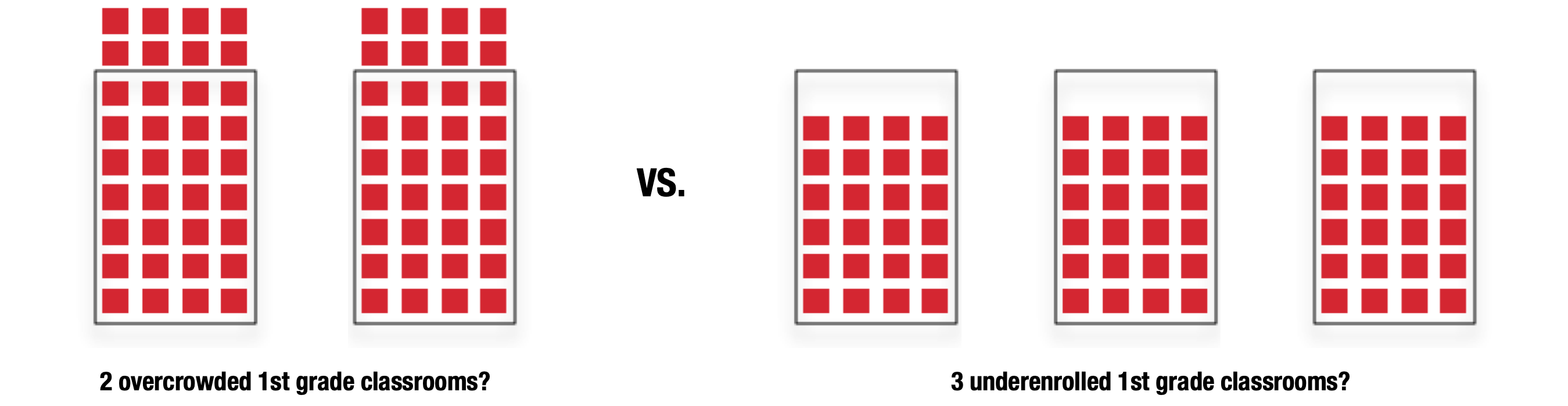
Obviously this creates a difficult decision for the staff, and creates problems for REAL Space Utilization. As I once described here.
It puts principals in a no-win situation, actually. When enrollments put homeroom sizes over the District’s maximum limits, principals could try and divide homerooms to keep class sizes down…at the expense of losing the rooms that they use for special education or bilingual instruction or music/art/tech.
In either scenario, the District is unhappy. Having a two first-grade classrooms which are supposed to be no larger than 28 students each now with 36 students each. OR, having three first-grade classrooms which are 24 students each (and thus, not at the “ideal” enrollment.)
Meanwhile, there are also the Space Utilization issues created by the higher percentage of IEP support needs for this school. More support = more professionals who engage in required services that support LEGALLY REQUIRED IEP minutes, in areas staffed by speech / physical / occupational therapists, social workers, psychologists and case managers. Add to this the required specialists for bilingual support.
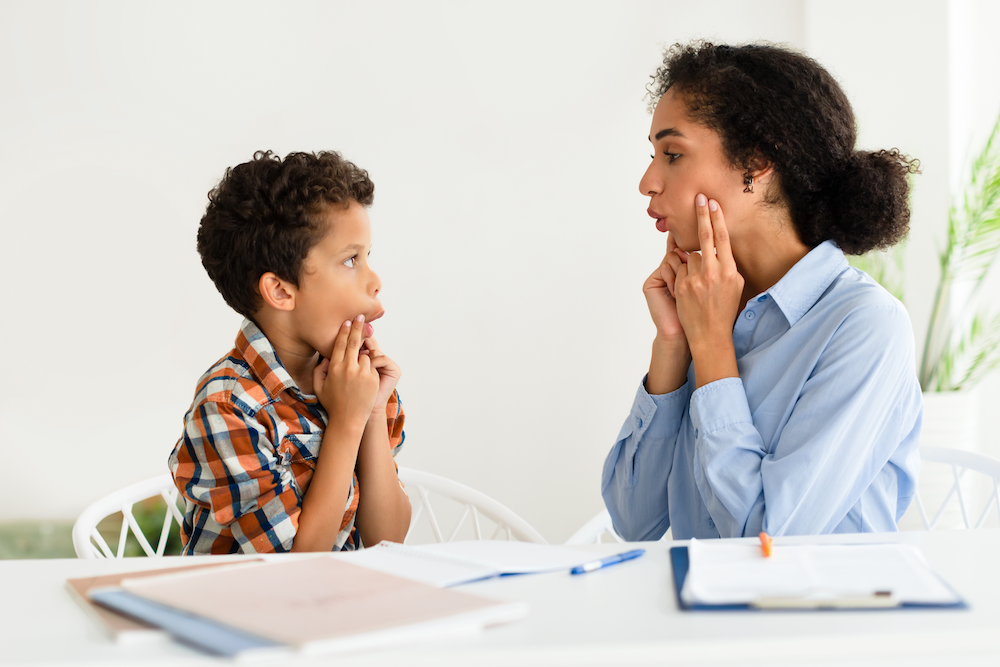
More professionals who need to meet one-on-one or in small groups with students need spaces within which to meet with those students, complete the necessary compliance paperwork, meet with other members of the support team, and meet with parents. These spaces cannot be created out of thin air, and it’s very likely that this work cannot be adequately conducted in public spaces (too distracting, no boundaries, may not meet privacy requirements).
All of this to say, Haugan seems to have a “Space Utilization Perfect Storm” of sorts, with statistics that suggest a complicated use case that needs flexibility. Let’s take a look at the Real Use case for Haugan and see if I’m understanding their situation correctly.
Next: Space Utilization: Unpacking the New Formula
Previous: Updated Space Utilization Formula – Does it fix problems?


Pingback: Updated Space Utilization Formula – Does it fix problems? | Apples 2 Apples in Chicago Public Schools
Pingback: Haugan Elem School: Unpack the New Formula | Apples 2 Apples in Chicago Public Schools
Pingback: Space Utilization in Practice: Ideal vs Reality | Apples 2 Apples in Chicago Public Schools
Pingback: Neighborhood Schools: Space to Flex Needed | Apples 2 Apples in Chicago Public Schools